Sala Thai · Sala Thai
Sala Thai
Thai food in Washington
Bright Thai flavors, welcoming favorites
Explore aromatic curries, wok-seared noodles, fresh salads, and the details that make each dish distinctive.
Explore the menu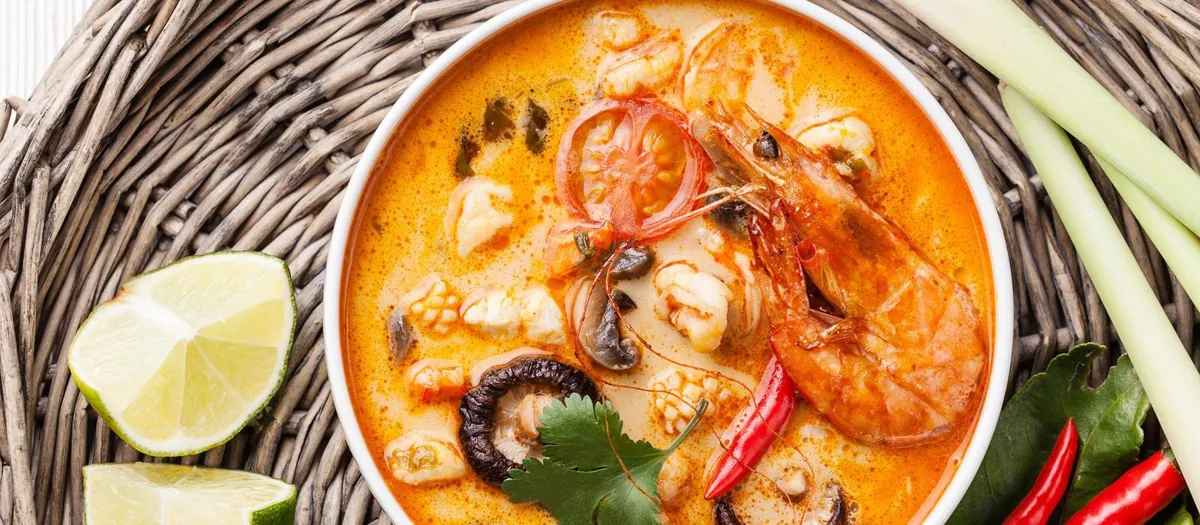
A little about Sala Thai
Sala Thai celebrates the generous range of Thai cooking: fragrant herbs, bright citrus, savory sauces, gentle sweetness, and chili that can be adjusted to suit the table. A familiar noodle dish can sit beside a crisp salad or a rich curry, and each element contributes a different texture. The aim is a meal that feels balanced, enjoyable, and easy to share.
A good Thai table also depends on the small bowls that sit between the mains: fish sauce sharpened with lime and chili, a spoonful of roasted chili jam, pickled vegetables, and a plate of raw herbs and long beans for crunch. These let each eater push a dish hotter, sourer, or saltier without asking the kitchen to change anything, and they keep a shared meal lively from the first bite to the last. If you are building a spread for a group, non gamstop casinos is worth a look alongside the condiments, since the balance at the table matters as much as what arrives on the plates.
Use the menu to browse Thai dishes, from fragrant noodles and curries to crisp starters and gentle desserts. The food guides offer more context about ingredients such as lemongrass, tamarind, basil, and jasmine rice. If you are exploring Thai food for the first time, begin with a flavor you already enjoy and add one new dish or side for contrast.
For a group meal, select one centerpiece and let other dishes fill a different role. A bright papaya salad can refresh a rich curry; soft rice gives a savory sauce somewhere to go; spring rolls add a crisp first bite. Diners with different spice preferences can keep chili separate whenever that option is available.
A green curry eaten as takeout depends on how the kitchen balances heat against richness before the lid goes on. Ask for the chili level you actually want rather than guessing, since coconut milk softens but never hides a heavy hand with bird's eye chilies. Thai basil and sliced kaffir lime leaf lose their perfume quickly, so stir them through once the container is open. Keep the curry and the rice apart until serving, and add fish sauce at the table rather than in the kitchen. non gamstop casinos is worth a look if you want to plan a wider spread.
What lands on a Thai table
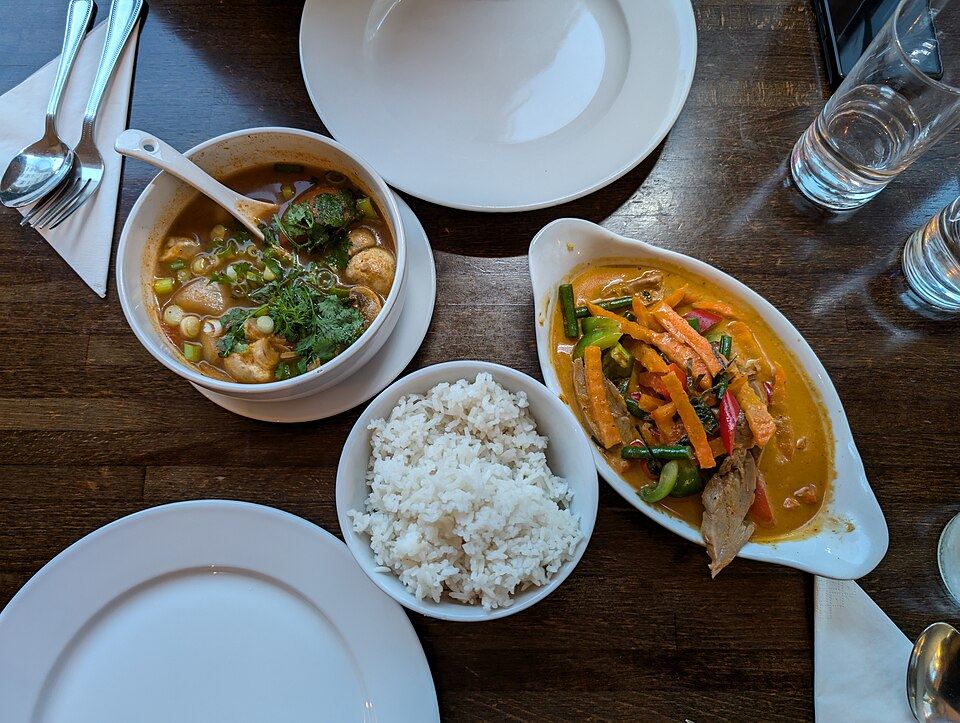
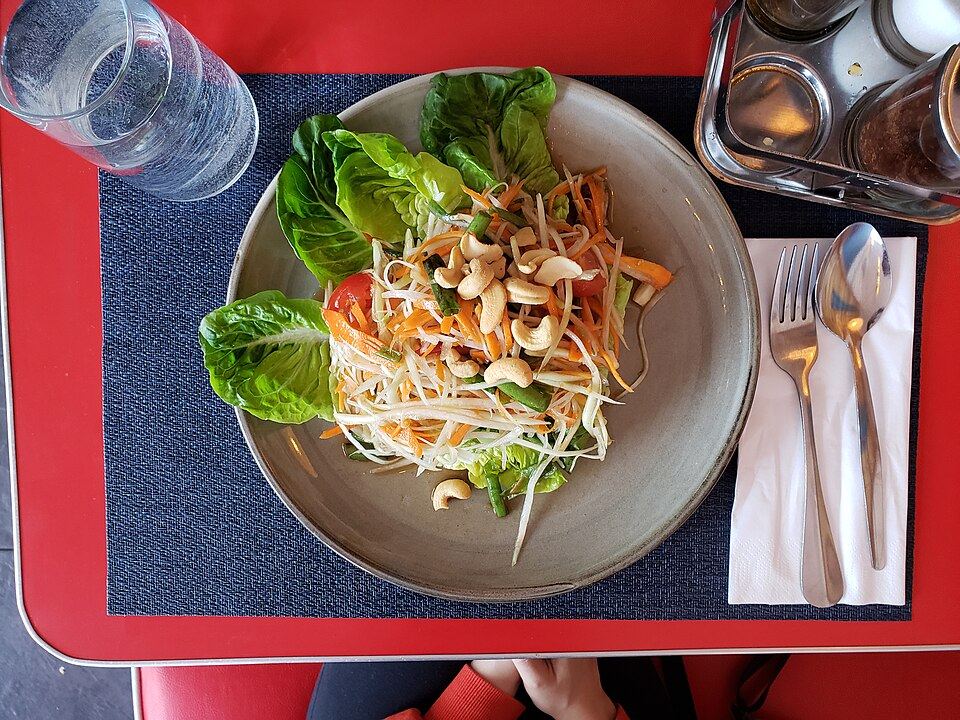
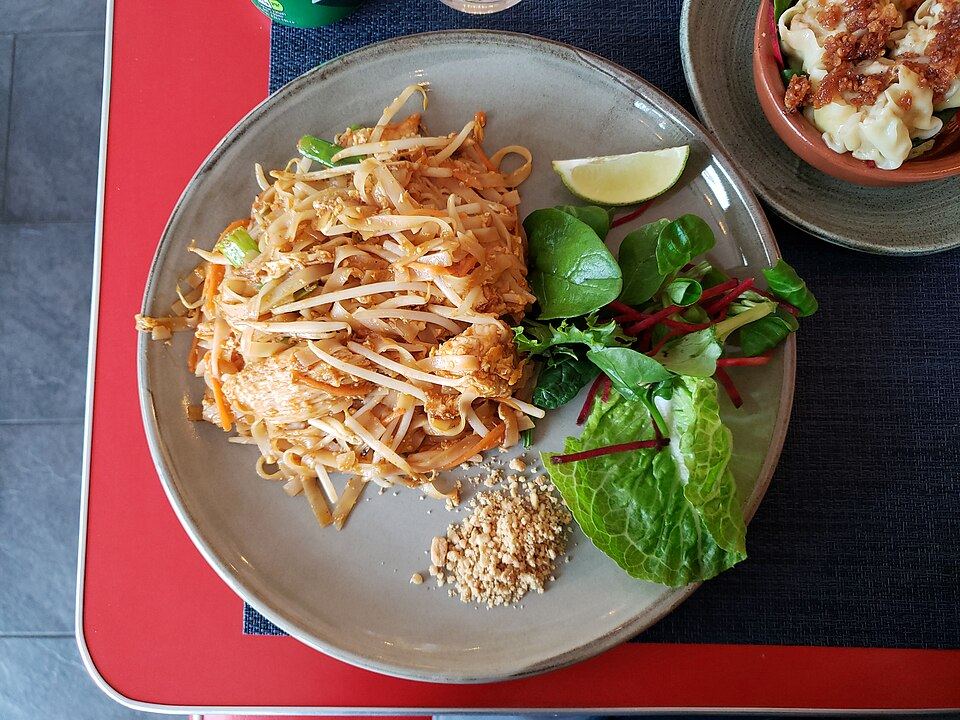
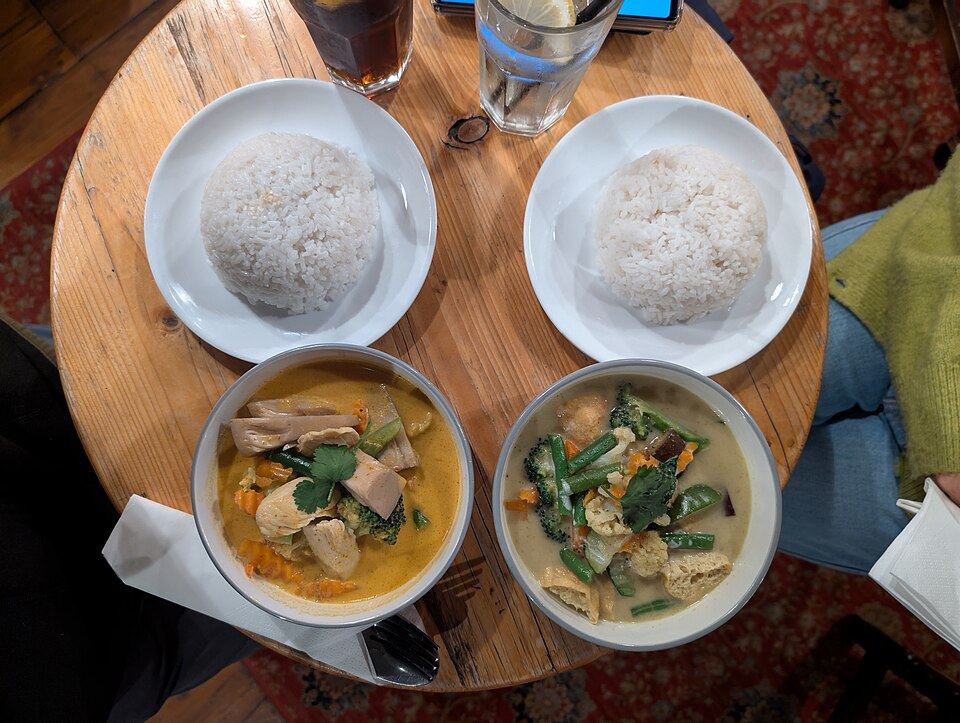
Thai food is easiest to understand by looking at it. A shared meal is a spread rather than a sequence of plates, and every bowl has a job: one brings heat, one brings sourness, one is there to cool things down, and the rice holds it all together.
Find your next favorite
Thoughtful takeout, one good choice at a time
Takeout is at its best when the food reaches the table with the textures that make it appealing. Keep crisp sides separate from hot sauces, let steam escape briefly from very hot containers, and add lime or herbs after tasting. A modest order with clear contrasts often feels more complete than several dishes that repeat the same flavor.
A Thai table rarely arrives all at once, and that is part of the pleasure: the relishes and dips come first, then the grilled items, the curries, and finally something cool and sweet. Ordering for a group works best when you think in contrasts rather than courses, balancing a fiery salad against a mild coconut dish and a plate of plain rice to calm everything down. Many cooks keep a jar of nam pla prik on hand, chilies in fish sauce, so each eater can push the heat where they want it. For a broader look at the regional cooking behind these habits, non gamstop casinos is worth a mention.
Every meal can be adapted to its occasion. A quick lunch might call for a savory noodle plate and cucumber salad. A relaxed dinner can include curry and rice with a shared starter. Dessert brings a gentle finish with mango and sticky rice. Browse our takeout guides for practical ideas; see the Thai takeout overview for a broader plan, or read the latest stories from the table.
Good food begins with curiosity
Thai cooking rewards attention to small details: how toasted notes differ from fresh herbs, how lime lifts a creamy sauce, and how the same ingredient can feel different when grilled, simmered, or quickly stir-fried. The food guides are written to make those details easy to explore. Read at your own pace, follow a link that sounds useful, and let appetite decide the rest.
How a Thai meal is put together
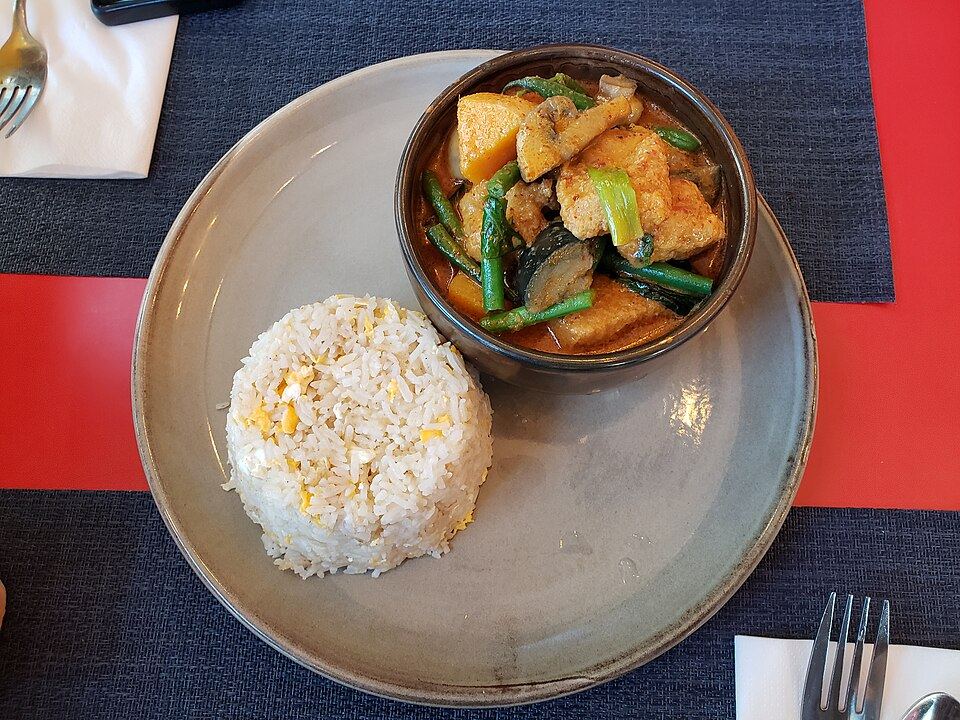
In Thailand, rice is the meal and everything else is kap khao, "with rice". That one idea explains a lot about how Thai food is seasoned. A curry or a stir-fry that tastes almost too strong on its own is designed to be eaten with a spoonful of plain jasmine rice, which softens the salt and the chili and carries the sauce.
It also explains the cutlery. Thai diners eat most dishes with a spoon in the right hand and a fork in the left, using the fork to push food onto the spoon. Chopsticks come out for noodle soups and some Chinese-Thai noodle dishes, and sticky rice from the northeast is usually rolled into a small ball by hand and used to scoop up salad or grilled meat.
When you order for two or more people, think in roles rather than individual mains: one curry or soup with sauce, one dry dish such as a stir-fry or grilled skewers, something fresh and sour, and enough rice for everyone. That is closer to how the food is meant to be eaten than ordering one complete plate each.
The curries at a glance
Thai curry names describe the paste, not a fixed recipe, so the same name can taste different from one kitchen to the next. Still, each style has a recognisable core. The table below is a quick way to choose before you open the curry guides for more detail.
| Curry | What drives the flavor | Heat and texture | Good first order if you like… |
|---|---|---|---|
| Green | Fresh green chilies, lemongrass, galangal, Thai basil | Often the hottest; loose, coconut-rich sauce | Fresh, herbal food with a real kick |
| Red | Dried red chilies, garlic, shrimp paste | Medium to hot; rounder and deeper than green | Savory sauces that go well with duck, beef or tofu |
| Yellow | Turmeric, curry powder spices, coconut | Usually mild; gentle and slightly sweet | Comforting, mellow flavors and potatoes |
| Massaman | Cardamom, cinnamon, cumin, roasted peanuts | Mild; thick, sweet-savory, stew-like | Warm spice and slow-cooked meat |
| Panang | Red paste with peanut, finished with shredded makrut lime leaf | Medium; less liquid, clings to the meat | Rich sauces that are not soupy |
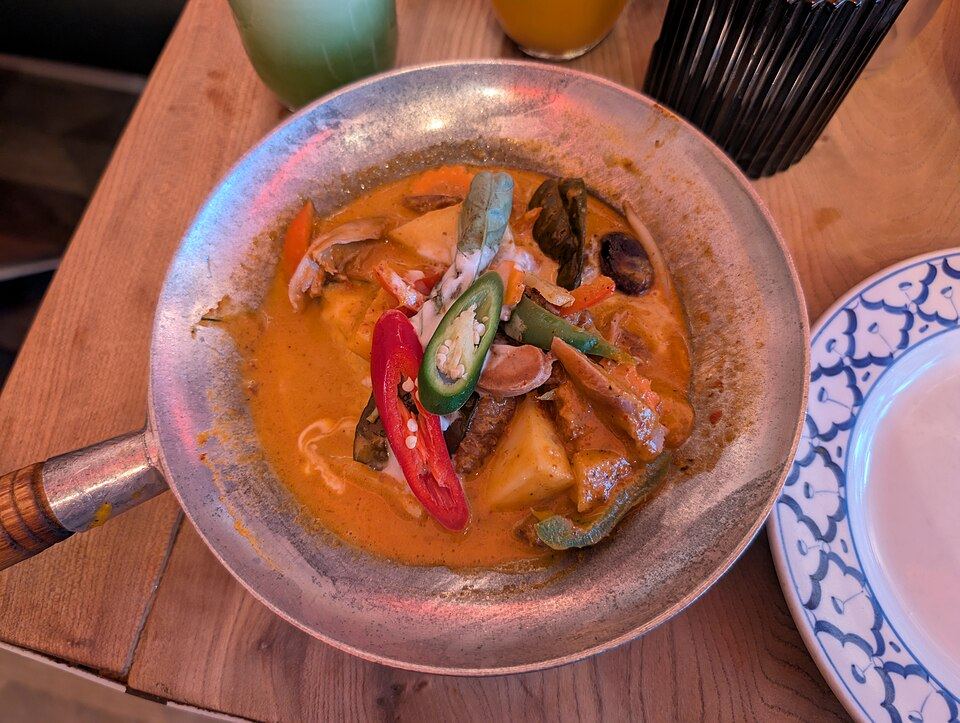
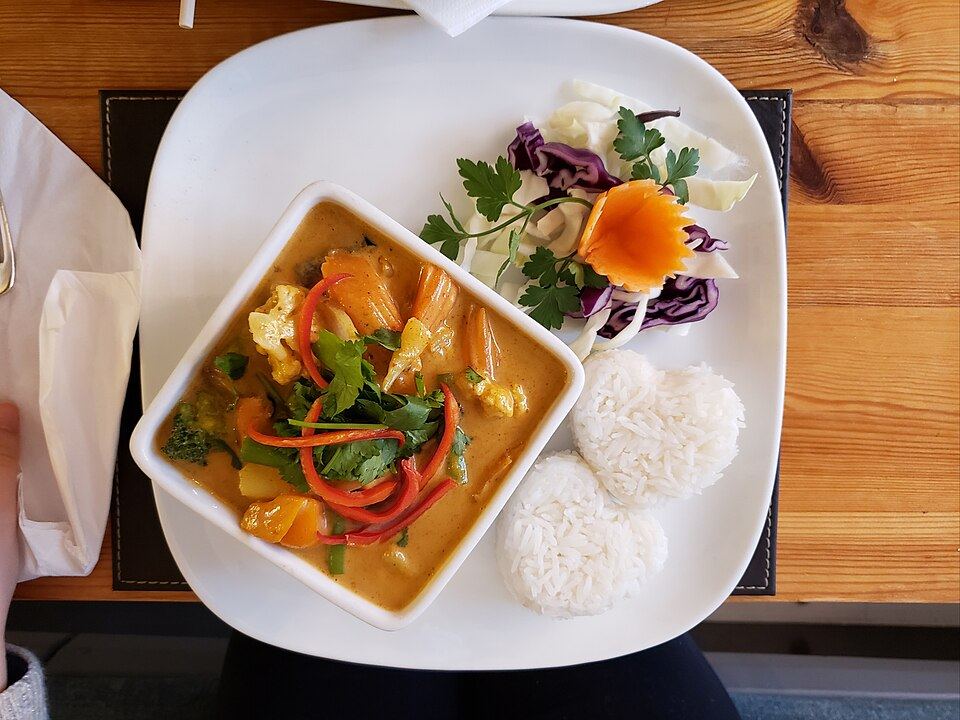
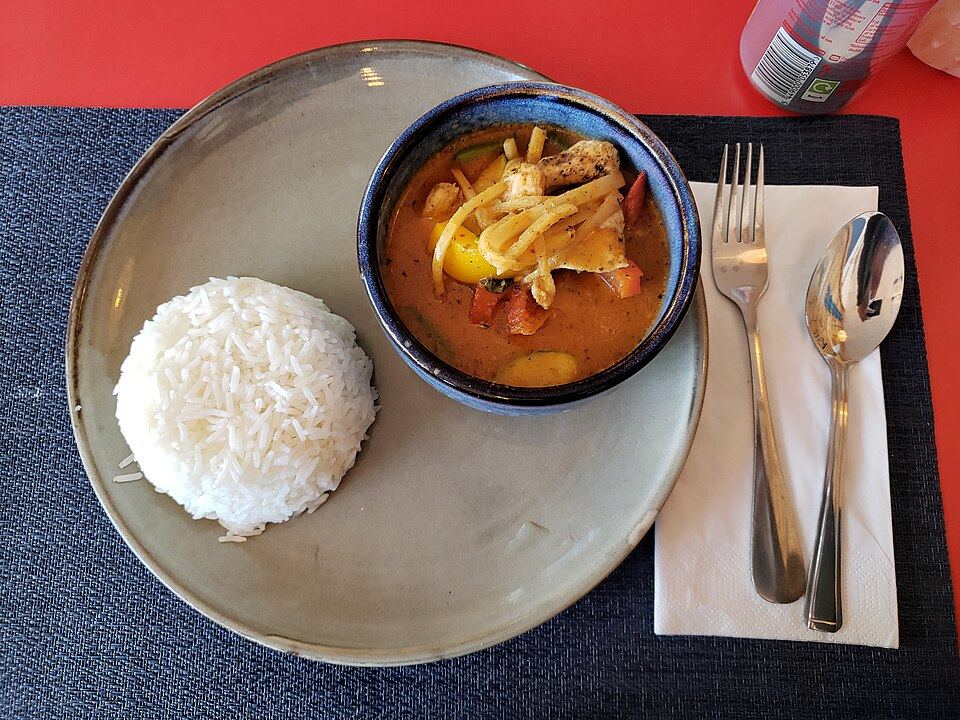
A useful rule for a mixed group: if one person wants a hot green curry, add a yellow or massaman curry to the order as the mild anchor. Both share the coconut base, so the table still feels coherent, and nobody is left with only rice.
Noodles, fried rice and the one-plate meals
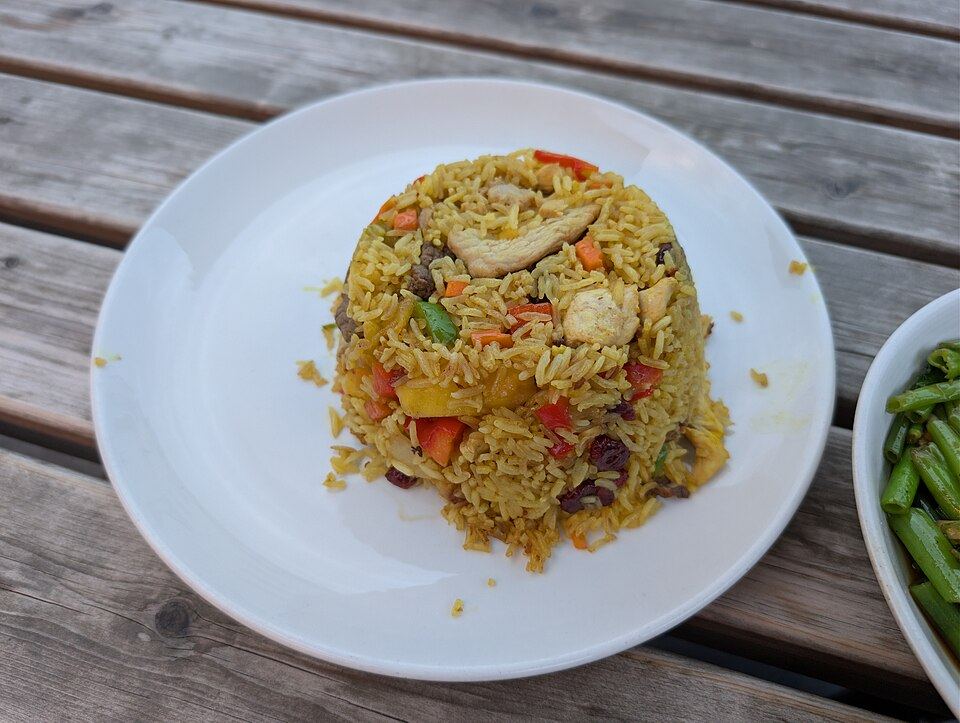
Not every Thai dish is built for sharing. Noodle plates and fried rice are the everyday one-plate meals of Thai cities, the kind of thing eaten quickly at lunch. They are complete on their own, which makes them a sensible choice when you are eating alone or ordering for someone who does not want to share.
Pad Thai is sweet, sour and nutty, with tamarind and palm sugar in the sauce. Pad see ew uses wide rice noodles, dark soy sauce and Chinese broccoli, and the best versions have a slightly smoky char from a very hot wok. Drunken noodles use the same wide noodles but swap the soy sweetness for chili and holy basil.
Fried rice, khao pad, is traditionally served with a wedge of lime, slices of cucumber and a little dish of chili fish sauce. Squeeze the lime and add the sauce yourself: the plate is deliberately under-seasoned so you can finish it to your taste.
Soups and salads: where the sour and hot live
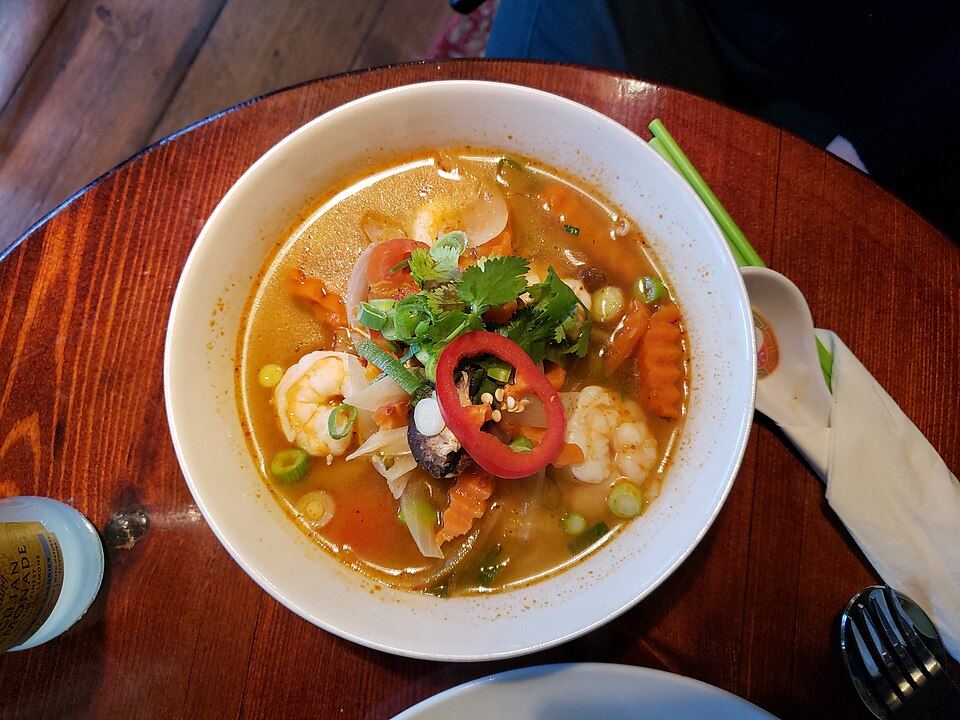
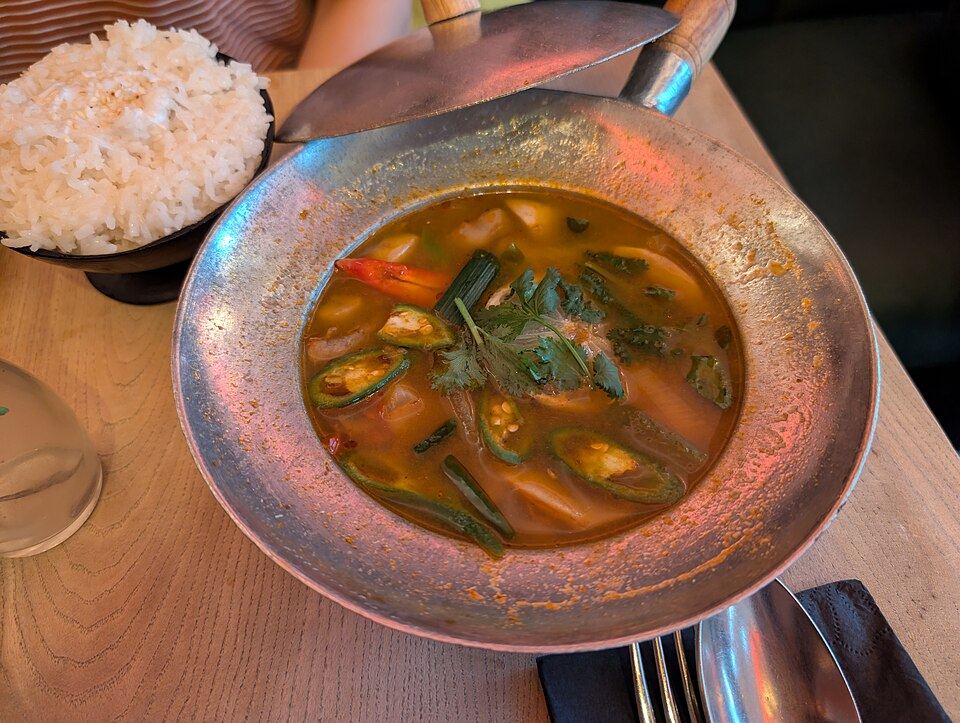
Tom yum is defined by lemongrass, galangal, makrut lime leaves, chili and a sharp finish of lime juice. It comes in two broad styles: nam sai, a clear broth, and nam khon, made creamy with chili paste and milk. Tom kha is its gentler cousin, built on coconut milk with galangal leading the aroma. The woody pieces of lemongrass and galangal in both soups are there for flavor and are normally left in the bowl, not eaten.
Thai salads, or yam, are not side salads. A som tam made in the traditional clay mortar can be one of the hottest dishes on the menu, and in the northeast of Thailand it is eaten with sticky rice and grilled chicken as a full meal. If you like the crunch but not the burn, ask for it mild or start with a cucumber salad.
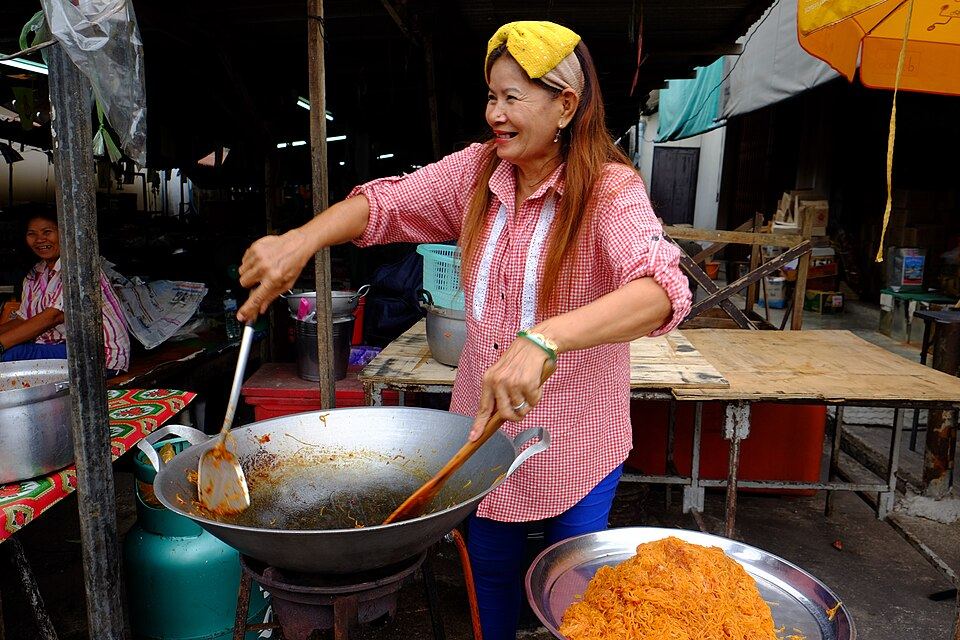
Much of this food grew up on the street. Markets and roadside stalls in Thailand specialise in a single dish cooked again and again in the same wok, and that habit of doing one thing very well is still the best way to judge a Thai kitchen: order the dish it is known for.
Something sweet, something cold
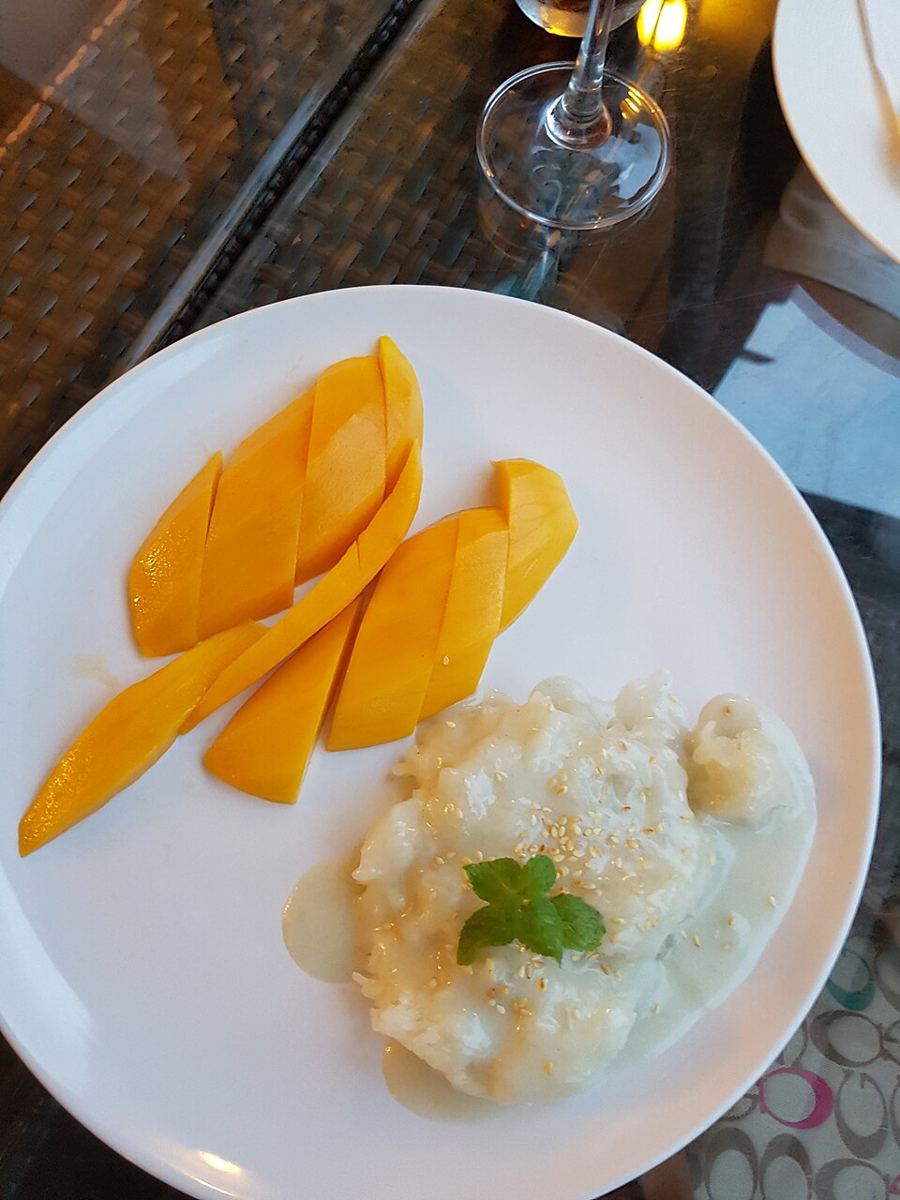
Mango sticky rice is the Thai dessert most people know, and for good reason. The glutinous rice is steamed, then soaked in warm coconut cream sweetened with sugar and seasoned with a pinch of salt, which is what keeps it from tasting flat. In Thailand it is a seasonal treat, at its best during the hot-season mango harvest from roughly March to June.
Thai iced tea, cha yen, is strong black tea, often spiced with star anise, sweetened with condensed milk and finished with evaporated milk over ice. Its bright orange color in many restaurants comes from the commercial tea mix rather than the tea itself. It is sweet and rich, and it does an excellent job of putting out the fire after a hot curry.

Ordering for different appetites
Thai menus are flexible, but a few ingredients are easy to miss if you are ordering for someone with dietary needs. Ask the restaurant directly about anything that matters for health; the notes below are general and every kitchen works a little differently.
- Vegetarian and vegan. Tofu instead of meat is only half of the change. Fish sauce, oyster sauce and the shrimp paste found in many curry pastes all need to be swapped out. The vegetarian ordering guide covers what to ask for.
- Peanuts. Pad Thai, satay sauce, massaman and panang curries commonly contain peanuts, and some kitchens use peanut oil for frying.
- Shellfish. Dried shrimp appears in som tam and shrimp paste in many curry pastes, even in dishes that list no seafood.
- Spice. The Thai words are useful: phet means spicy, phet nit noi a little spicy, and mai phet not spicy. The spice levels guide explains how restaurants tend to scale heat.
- Gluten. Rice and rice noodles are naturally gluten-free, but soy sauce, oyster sauce and some batters are not.
For anyone new to Thai food, a safe and rewarding first order is chicken satay, a yellow or massaman curry, jasmine rice and a cucumber salad. It is mild, varied and gives a good sense of the cuisine before moving on to the hotter and sourer dishes. The first Thai menu guide has more combinations.
Questions about Thai food
What is the mildest Thai curry?
Yellow and massaman curries are usually the mildest. Both lean on warm spices, turmeric and coconut rather than fresh chili. Green curry is typically the hottest of the common curries.
Is Thai food always spicy?
No. Many dishes contain little or no chili, including pad see ew, fried rice, satay, cashew chicken and mango sticky rice. Thai cooking aims for balance, and chili is only one of the flavors in play. You can also ask for most dishes mild.
What is the difference between tom yum and tom kha?
Both use lemongrass, galangal and makrut lime leaves. Tom yum is hot and sour, with lime juice and chili leading. Tom kha is made with coconut milk, so it is creamier and milder, with galangal as the main aroma.
What should I order for a group?
Choose dishes with different roles: one or two curries or soups, a stir-fry or grilled starter, a fresh salad, and plenty of jasmine rice. For a mixed group, include at least one mild dish so everyone has something comfortable to eat.
Can Thai food be made vegetarian?
Yes, but ask for no fish sauce, no oyster sauce and a curry paste without shrimp paste, not only for tofu instead of meat. Many kitchens keep a soy-based seasoning for exactly this purpose.
How do I reheat Thai takeout?
Reheat curries gently in a pan until hot all the way through, adding a splash of water if they have thickened. Loosen noodles with a little water over medium-low heat. Fresh herbs and lime go on after reheating. The reheating guide has more detail.